
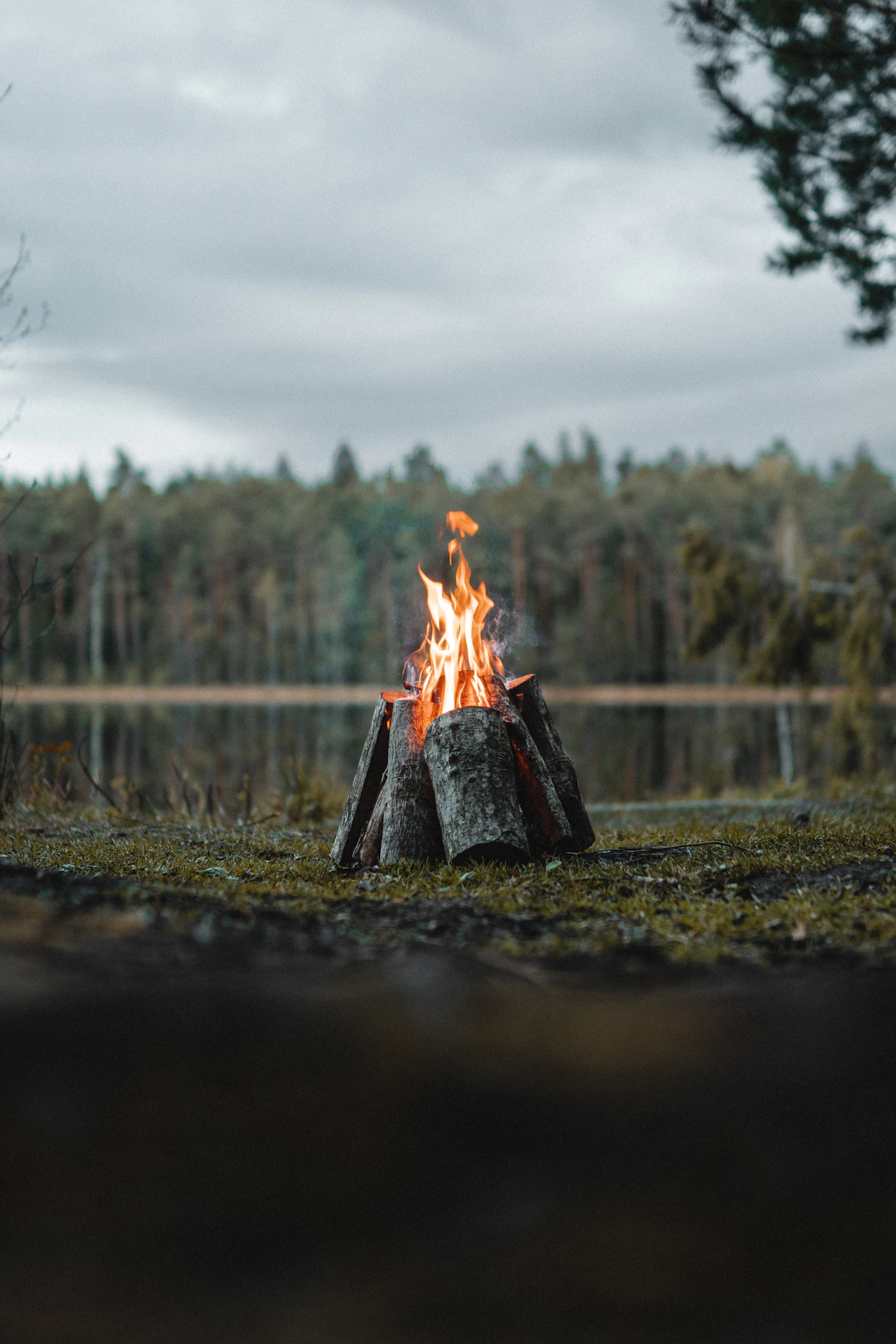
Ohio Burn Ban: Dates and Open Burning Rules
Short answer
Yes, twice a year. Ohio bans daytime open burning of brush, yard waste and rubbish outside cities and villages from 6 a.m. to 6 p.m. in March, April, May, October and November (ORC 1503.18). A violation is a third-degree misdemeanor.
Last verified: October 29, 2026 against ORC 1503.18, ORC 1503.99, OAC 3745-19-04 and ODNR Division of Forestry guidance
The Ohio burn ban is not a single order that someone switches on and off. It is a standing state law that restricts open burning during the spring and fall wildfire seasons. Right now, October 29, 2026, the fall restriction is in effect and runs through November 30.
This page explains the dates, the hours, what you can still burn, what it costs to break the rule, and how drought emergencies differ from the seasonal ban.
Key facts
- Months: March, April, May, October and November, every year.
- Hours: 6 a.m. to 6 p.m. Burning outside those hours is not barred by this section.
- Where: outside municipal corporations (cities and villages) and off railroad-controlled land.
- What: wood, brush, weeds, grass and rubbish.
- Penalty: third-degree misdemeanor (
ORC 1503.99), up to 60 days in jail and a $500 fine. - Always banned: burning trash, plastics, rubber, grease, asphalt, petroleum products, food waste or dead animals.
- Agencies: ODNR Division of Forestry for wildfire rules, Ohio EPA for air rules, and your local fire department for permits and local limits.
Is there a burn ban in Ohio right now?
Yes, if you are reading this between October 1 and November 30 and you live outside a city or village. The fall restriction under ORC 1503.18 applies on those dates every year, so there is no separate announcement.
From December 1 through the end of February, and again from June through September, the seasonal ban does not apply. Other rules still do, including air-quality limits, local fire codes and any emergency drought order.
Searches such as “is there a fire ban in Ohio” or “does Ohio have a burn ban right now” usually point to this seasonal rule. Searchers also use “fire ban,” “burning ban” and “no burn” for the same thing.
When is the Ohio burn ban? Dates and hours
| Season | Months | Banned hours | Where it applies |
|---|---|---|---|
| Spring | March, April, May | 6 a.m. to 6 p.m. | Outside cities and villages |
| Fall | October, November | 6 a.m. to 6 p.m. | Outside cities and villages |
| Rest of the year | December to February, June to September | No seasonal ban | Air, local and emergency rules still apply |
The hours matter. You may burn legally allowed material after 6 p.m. and before 6 a.m. in these months. ODNR calls those the unrestricted hours.
The statute lets the chief of the Division of Forestry widen the permitted times and places by rule, and it lets the governor tighten or remove them by executive order when conditions call for it (ORC 1503.18).
How the Ohio burn ban works: what the law says
ORC 1503.18 is the “kindled fires” section of the forestry chapter. Its last major revision took effect on September 14, 2016, through Senate Bill 293 of the 131st General Assembly.
- Permission. You need written permission from the forest-fire warden to start a fire on public land, and from the owner or the owner’s agent to start one on someone else’s land.
- Safety. Near woodland, brush or tree growth, you must clear flammable material to a safe distance, take reasonable precautions, and not leave the fire until it is out or safely covered.
- Daytime ban. The 6 a.m. to 6 p.m. ban in the five months applies outside municipal corporations and off railroad land.
- Careless fires. A fire started by throwing away a lit match, cigar or other glowing material counts as a kindled fire under the section.
Who has to follow the ban: counties, townships and cities
The seasonal ban covers unincorporated areas, which means townships and open country. It does not apply the same way inside a city or village.
That does not make burning free inside town limits. Municipal rules and Ohio EPA rules often block open burning there, and many cities prohibit it by ordinance or allow only contained fires. Ohio EPA guidance says not to burn within village or city limits or in restricted areas.
What can you burn in Ohio, and what is always illegal?
You can burn clean, dry yard waste from your own property outside the banned hours, but only if you meet the Ohio EPA conditions in OAC 3745-19-04.
- Smoke must disperse readily and cannot create a visibility hazard on a road, railroad or airfield.
- The fire must be at least 1,000 feet from any inhabited building that is not on your property.
- The waste must be stacked and dry, and it must come from your premises.
- You cannot burn rubber, grease, asphalt, petroleum products, plastics or building materials.
- You must notify Ohio EPA before burning a residential pile larger than about 10 by 10 by 10 feet.
Household trash is not on the list of allowed open burning. ODNR also warns against burning food waste and dead animals, and says the daytime ban applies even if you use a burn barrel.
Campfires, bonfires and fire pits
Recreational fires are allowed under state air rules if they burn clean, seasoned firewood or similar clean fuel, are not used to get rid of waste, and stay within size limits of 3 feet across and 2 feet high (OAC 3745-19-04).
Ceremonial fires may be up to 5 by 5 feet and may burn no more than three hours. These air rules do not cancel the forestry rule. During the banned months in a township, ask your fire department whether a daytime fire is allowed, and keep evening fires under supervision.
Burn ban exceptions
The forestry statute carves out fires in a plowed field, a garden or a public highway, as long as they sit at least 200 feet from woodland, brushland or dry-grass fields (ORC 1503.18).
Controlled burns for prairie, forestry, range or invasive-species management follow a separate path. They require notice to Ohio EPA, 24 hours of notice to the local fire department, and notice to neighbors within a quarter mile.
Penalties for breaking the burn ban
Breaking the seasonal rule is a misdemeanor of the third degree under ORC 1503.99.
| Offense | Level | Jail (maximum) | Fine (maximum) |
|---|---|---|---|
Open burning in banned hours or unsafe kindling of a fire (ORC 1503.18) | M3 | 60 days | $500 |
Sources for the range: ORC 2929.24 and ORC 2929.28. A judge sets the actual sentence below the maximum, and ODNR notes that violators may also receive citations and fines.
Drought burn bans are a different thing
A drought ban is an emergency order, not the seasonal rule. In September 2024, State Fire Marshal Kevin Reardon ordered a ban in several southern Ohio counties, including Athens, Gallia, Jackson and Scioto, that covered fires of any kind, fireworks and campfires.
Check before you light. Counties can be added or lifted quickly during drought. I could not confirm a current 2026 drought order for this page, so call your county fire department or the State Fire Marshal before burning anything.
Example scenarios
- A farmer in Wayne County in November. Burning brush at 2 p.m. is barred. Burning at 7 p.m. may be allowed if the pile is dry, clean and over 1,000 feet from the nearest neighbor.
- A homeowner in a township burning leaves in April. The daytime ban applies, so the plan only works after 6 p.m. and with the Ohio EPA conditions met.
- A family with a backyard fire pit in Columbus. The seasonal forestry ban is about unincorporated land, but city fire rules apply, covered next.
Columbus rules
Columbus follows the same state law, but the city sets its own fire code on top of it. The details of that code change, so the safest step is to ask the Columbus Division of Fire before you light a fire pit or burn anything in town.
Burning trash or brush inside a city is often restricted or needs approval. Other cities set their own rules too, so check with your local fire department.
Myths and facts
| Myth | Fact |
|---|---|
| “The burn ban only starts when the governor announces it.” | The spring and fall restrictions are written into ORC 1503.18 and apply every year. |
| “A burn barrel is exempt.” | ODNR says the daytime ban covers burn barrels too. |
| “I can burn anything at night.” | Night burning is still limited by Ohio EPA rules. Trash, plastics and rubber are never allowed. |
| “The ban applies inside every city.” | The statute reaches outside municipal corporations, but local fire codes and air rules can still restrict burning in town. |
Frequently asked questions
Is there a burn ban in Ohio right now?
Yes, if you are outside a city or village between October 1 and November 30, 2026. The fall restriction in ORC 1503.18 bars burning brush, weeds, grass and rubbish from 6 a.m. to 6 p.m. A drought order can add more limits, so confirm with your fire department.
When is the burn ban in Ohio?
The seasonal ban runs in March, April, May, October and November. It applies from 6 a.m. to 6 p.m. each day in those months. Burning outside those hours is not barred by the forestry statute, though Ohio EPA conditions and local rules still apply.
Is a fire pit allowed during the burn ban?
Often yes for a small fire of clean, seasoned firewood, within 3 feet across and 2 feet high under OAC 3745-19-04. In the banned months in an unincorporated area, check with your local fire department about daytime fires. In Columbus, check the city fire code first.
What is the penalty for violating the Ohio burn ban?
It is a misdemeanor of the third degree under ORC 1503.99. The maximum is 60 days in jail and a $500 fine under the general misdemeanor sentencing sections. ODNR also says violators may face citations and fines.
Does the burn ban apply inside city limits?
The statute applies outside municipal corporations. City limits are covered by local fire codes and Ohio EPA rules, and many cities prohibit or limit open burning. Call your city fire department before lighting anything.
Can I burn leaves or brush in Ohio?
Sometimes. Clean, dry yard waste from your own property may be burned outside the banned hours if the fire is at least 1,000 feet from a neighbor’s home and smoke will not block roads. Never burn plastics, rubber, trash or building materials.
Who enforces the burn ban?
ODNR Division of Forestry handles the wildfire rules, and Ohio EPA handles the open burning air rules. ODNR says violators may face citations and fines. The statute does not name a single enforcer, so ask your local fire department about permits and local limits.
What changed on this page
- October 29, 2026: First published. Checked against
ORC 1503.18(version effective September 14, 2016),ORC 1503.99andOAC 3745-19-04. See our editorial policy and corrections page.
If this affects you
For burn rules and permits, call your local fire department first. The ODNR Division of Forestry handles wildfire questions and Ohio EPA handles open burning notices. In Columbus, contact the Columbus Division of Fire.
If you received a citation or a fire spread to a neighbor’s land, talk to an Ohio-licensed attorney. The Ohio State Bar Association runs a lawyer referral service. For more, see the Outdoors and Animals section. This page is general information, not legal advice.
