Is It Legal to Own a Raccoon in Ohio? Exotic Pet Laws
Short answer
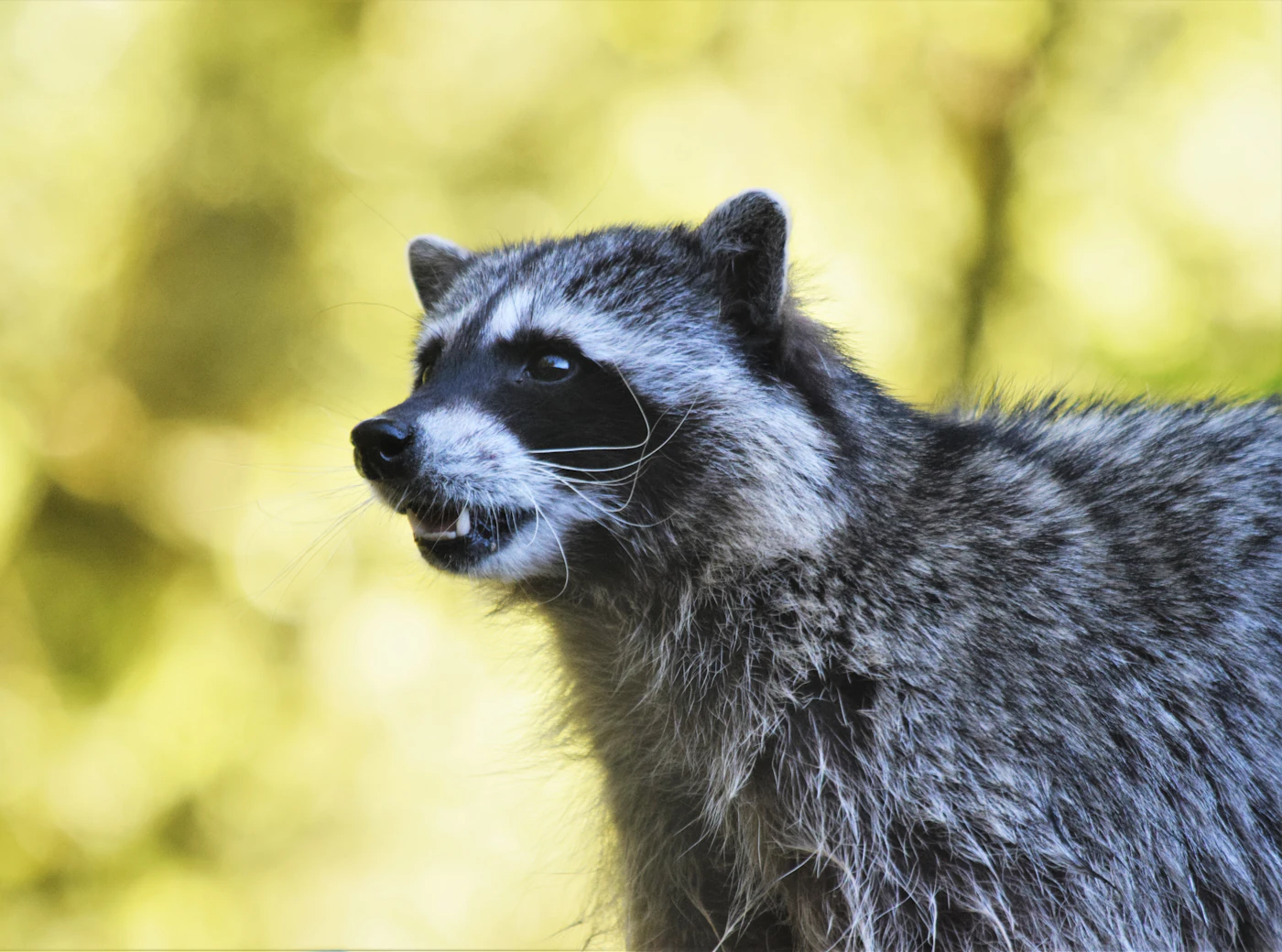
Not freely. Ohio treats raccoons, foxes and otters as wild animals, holding one in captivity takes a Division of Wildlife propagating license (ORC 1533.71), and ORC 1531.02 says you can possess one only as the Revised Code or wildlife rules allow. Monkeys, big cats, bears and other “dangerous wild animals” are banned by ORC 935.02 unless you hold a state permit.
Last verified: November 6, 2026 against ORC Chapters 935, 1531 and 1533 and OAC 1501:31-15 on codes.ohio.gov
Is it legal to own a raccoon in Ohio? Not without a Division of Wildlife license. A baby raccoon can look tame, but the state’s wildlife rules still apply to it. Ohio sorts unusual animals into three groups: native wildlife, a list of “dangerous wild animals” and “restricted snakes,” and everything else.
This page covers which exotic animals are legal in Ohio, which ones need a permit, what happens if you break the rules and what you can do about a nuisance raccoon.
Key facts
- Raccoons, foxes, otters, skunks and opossums are “fur-bearing animals” under
ORC 1531.01. - Live fur-bearing animals may not be held in captivity except as
ORC 1533.71or the Administrative Code allows (OAC 1501:31-15-02). - Since January 1, 2014, possessing a dangerous wild animal needs a permit (
ORC 935.02). - Every nonhuman primate except lemurs is on the dangerous wild animal list.
- A restricted snake possession permit costs $150 (
ORC 935.08). - Releasing a dangerous wild animal or restricted snake into the wild is a fifth-degree felony (
ORC 935.99).
Can you have a pet raccoon in Ohio?
You cannot simply keep a raccoon as a pet in Ohio. The state owns wild animals that are not legally held by a private owner, and a person may possess one only in a way the Revised Code or wildlife division rules permit (ORC 1531.02). Holding fur-bearing animals in captivity takes a noncommercial propagating license from the Division of Wildlife, which costs $25 a year (ORC 1533.71).
Raccoons count as fur-bearing animals under ORC 1531.01, and the rule in OAC 1501:31-15-02 says live fur-bearing animals may not be held in captivity or sold except as provided in ORC 1533.71 or the Administrative Code. The Ohio Department of Natural Resources (ODNR) Division of Wildlife issues these licenses.
For an injured or orphaned animal, contact a licensed wildlife rehabilitator. If you find a baby raccoon, call a rehabilitator from the ODNR list instead of raising it yourself.
Foxes, otters and other native animals
The same rule covers other native wildlife. The Ohio definition of fur-bearing animals names minks, weasels, raccoons, skunks, opossums, muskrats, fox, beavers, badgers, otters, coyotes and bobcats, so a fox or an otter is no easier to own than a raccoon.
| Animal | Ohio status |
|---|---|
| Raccoon | Fur-bearing animal. Captivity needs a propagating license (ORC 1533.71). |
| Fox | Fur-bearing animal. Captivity limited by OAC 1501:31-15-02. |
| Otter | Fur-bearing animal. Captivity limited by OAC 1501:31-15-02. |
| Skunk, opossum | Fur-bearing animals. Same rule. |
| Bears, big cats, hyenas, gray wolves | Dangerous wild animals. Permit required. |
What exotic animals are legal in Ohio?
Ohio does not publish a list of approved pets. Instead, ORC 935.01 lists the animals that are banned or restricted, and the Division of Wildlife controls native wild animals. If an animal is not on either track, Chapter 935 does not regulate it.
Animals that do not appear in Chapter 935 include sugar gliders, hedgehogs, ferrets, capybaras and axolotls. Not being on the list is not a promise that every one is unrestricted. Check with ODNR or the Ohio Department of Agriculture before you buy a rare animal, and look at your city or county rules on zoning and animal keeping.
Dangerous wild animals: monkeys, big cats and bears
Ohio’s dangerous wild animal law took effect September 5, 2012 through Senate Bill 310 of the 129th General Assembly. Under ORC 935.02, no one may possess a dangerous wild animal on or after January 1, 2014, and acquiring, buying, selling or transferring one is also restricted.
The list in ORC 935.01 includes:
- Hyenas, gray wolves, lions, tigers, jaguars, leopards, cheetahs, cougars, lynxes, caracals and servals
- Bears, elephants, rhinoceroses, hippopotamuses and Cape buffaloes
- African wild dogs and Komodo dragons
- Alligators, crocodiles, caimans and gharials
- Nonhuman primates other than lemurs, which covers monkeys and apes
So, is it legal to own a monkey in Ohio? Only with a state permit, and the permits are narrow. Owners who had registered their animals by October 1, 2013 could apply for a wildlife shelter permit to keep them. Zoos accredited by the Association of Zoos and Aquariums, accredited sanctuaries, research facilities, circuses and licensed rehabilitators are exempt under ORC 935.03. Lemurs fall outside the definition entirely.
A wildlife shelter permit has strict conditions. Fees run from $250 for one to three animals up to $1,000 plus $125 per animal above 15 (ORC 935.05). Holders must carry liability insurance or a bond, microchip each animal, bar public contact and meet space and care standards (ORC 935.04, ORC 935.05 and ORC 935.06). Permits renew every year by December 1.
A person with a mobility impairment, a hearing impairment or blindness may keep a trained spider monkey of the kinds named in ORC 935.03. This is a narrow exception and it still has rules.
Restricted snakes
Snakes get their own category. A restricted snake under ORC 935.01 is a constrictor 12 feet or longer from the listed anaconda and python species, any snake in the families Atractaspididae, Elapidae or Viperidae (this includes venomous cobras and vipers), a boomslang or a twig snake.
If you acquire a restricted snake and do not plan to breed, sell or transfer it, you must get a restricted snake possession permit within 120 days. The application fee is $150, and you need to be at least 18, show two years of experience or pass a written exam, and carry liability coverage (ORC 935.08 and ORC 935.09).
Penalties for illegal exotic pets in Ohio
The dangerous wild animal law sets its own penalties in ORC 935.99. Rules about auction sales, microchips, warning signs, escapes and declawing fall under ORC 935.18.
| Violation | Offense level |
|---|---|
| Selling a dangerous wild animal or restricted snake at auction, removing a microchip, missing signs, letting an animal roam off the property or breaking other chapter rules | First-degree misdemeanor on a first offense, fifth-degree felony after |
| Knowingly releasing a dangerous wild animal or restricted snake into the wild | Fifth-degree felony |
Under ORC 2929.24 and ORC 2929.28, a first-degree misdemeanor carries up to 180 days in jail and a $1,000 fine. A fifth-degree felony carries 6 to 12 months in prison (ORC 2929.14).
Is it illegal to kill raccoons in Ohio?
Not always. For nuisance animals, OAC 1501:31-15-03 lets anyone trap or take live nuisance wild animals, and a landowner does not need written permission from the Division of Wildlife to kill a nuisance raccoon, opossum, skunk or red fox with lethal means.
- You need the landowner’s permission to trap on someone else’s land.
- Check traps once every calendar day.
- A person without a nuisance control license cannot charge a fee and cannot keep a trapped animal longer than 24 hours.
- A trapped raccoon must be euthanized or released on the spot where you caught it. Moving it to another site is not allowed.
- Using dogs to take raccoons, opossums, skunks or foxes outside a structure during the closed season is unlawful.
Local limits on firearms and traps still apply inside city limits. For hunting and trapping season dates, check the current ODNR regulations.
Examples of how the rules work in Ohio
- You find a baby raccoon in your garage. Call a licensed wildlife rehabilitator. Raising it yourself without a license is not allowed.
- A raccoon keeps raiding your trash. You may live-trap it with the property owner’s permission, but you must release it on site or euthanize it.
- A neighbor buys a pet monkey online. Without a permit, a monkey is a banned dangerous wild animal in Ohio.
- You adopt a pet snake. A small corn snake is not on the restricted list, but a Burmese python over 12 feet is.
Dog owners face a different set of animal rules. See Avery’s Law in Ohio for the dangerous dog labels and insurance duties.
Frequently asked questions
Is it legal to have a pet raccoon in Ohio?
Not without a license. Ohio wildlife rules limit possession of wild animals and fur-bearers, and holding a raccoon in captivity requires a noncommercial propagating license from the Division of Wildlife (ORC 1533.71). Licensed rehabilitators care for injured or orphaned ones.
Is it legal to own a fox in Ohio?
A fox is a fur-bearing animal under ORC 1531.01, so the same captivity limits apply as for raccoons. Gray wolves are different: they are on the dangerous wild animal list and need a permit.
Is it legal to own an otter in Ohio?
Otters are named as fur-bearing animals in the Ohio definition, so keeping one as a pet runs into the rule that live fur-bearers may not be held in captivity except as the law allows.
What monkeys are legal to own in Ohio?
None can be bought freely. Under ORC 935.01, all nonhuman primates except lemurs are dangerous wild animals, and possession needs a state permit or a listed exemption. The permit is mainly for owners who registered their animals when the law began.
Are sugar gliders, hedgehogs, ferrets, capybaras and axolotls legal in Ohio?
None of them appears on the dangerous wild animal or restricted snake lists in Chapter 935. That does not guarantee they are unrestricted everywhere, so confirm with ODNR, the Department of Agriculture and your local government before buying.
When did Ohio’s exotic animal law take effect?
Senate Bill 310 took effect September 5, 2012. The ban on possessing a dangerous wild animal without a permit began January 1, 2014 under ORC 935.02.
Can I move a trapped raccoon to a park?
No. Under OAC 1501:31-15-03, a nuisance raccoon you trap must be euthanized or released on the site where it was caught.
What changed on this page
- November 6, 2026: First published.
ORC 935.01through935.09,1531.01,1531.02andOAC 1501:31-15-03checked on codes.ohio.gov that day. See our editorial policy and corrections page.
If this affects you
If you already keep a monkey, big cat or restricted snake, contact the Ohio Department of Agriculture about permits. For raccoons, foxes and other native animals, contact the ODNR Division of Wildlife or a licensed rehabilitator. If you were charged, talk to an Ohio-licensed attorney. The Ohio State Bar Association runs a lawyer referral service.
More animal rules are in the Outdoors and Animals section. This page is general information, not legal advice.